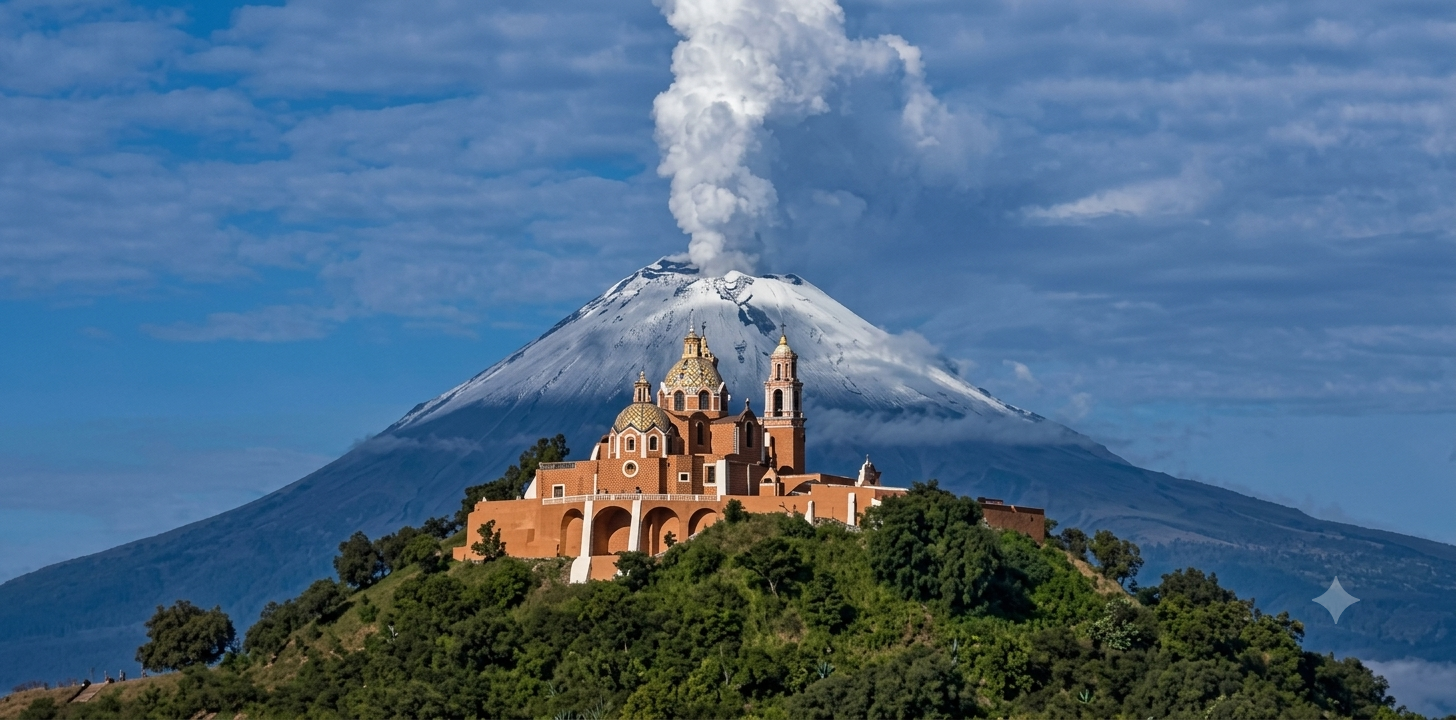
CEGAHO International Workshop
CEGAHO International Workshop 2026
Management of Gastronomic Tourism with Digital Redesign and Artificial Intelligence
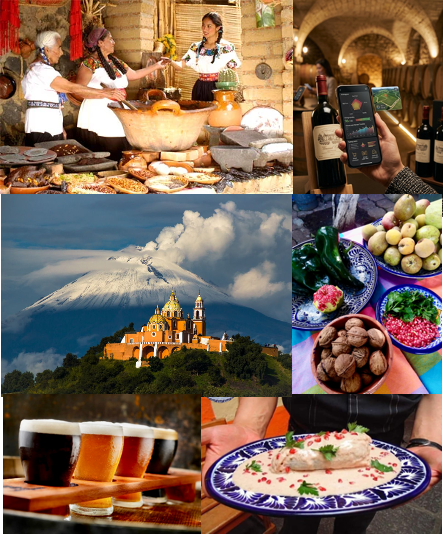
The international Workshop Management of Gastronomic Tourism provides participants with an innovative model for sustainable destination planning and management, tourism product design, strategic direction, competitiveness, and digital presence for businesses, experiences, and routes — with immersive and tasting learning in Puebla as Mexico's Gastronomic and Cultural Destination and the Magic Town of Cholula, a worklab for gastronomic innovation, creativity, and regeneration.
- Dates
- September 18, 19, and 21, 2026
- Format
- In-person, online, and real-time hybrid
- Venue
- Hotel Real de Naturales, Av. 6 Oriente No. 7, San Pedro Cholula, Puebla
Workshop curriculum
In-person and real-time online classroom sessions
- Tourism redesign: digital agenda and artificial intelligence in businesses, routes, and destinations.
- Best Tourism Villages and Magic Towns: hierarchy and types of gastronomic destinations.
- Sustainable regional planning and development: interactive model and system.
- Sustainability and SDGs in the gastronomic tourism value chain.
- Destination types, viability, and diagnosis: priorities, inventory, supply, and demand.
- Intellectual property and gastronomy: identity protection and regional development.
- Design of gastronomic and tourism products: experiences, routes, itineraries, and tours.
- Strategic direction and competitiveness of gastronomic and tourism businesses.
- Gastronomic brand and digital marketing cycle in the tourism journey.
- Destination management and governance: direction, execution, evaluation, and control tools.
- Worklab: immersive experiences in businesses, markets, experiences, workshops, routes, and gastronomic destinations*
Schedule: Friday Sep 18 (4:00–8:45 PM), Saturday Sep 19 (9:00 AM–7:30 PM), and Monday Sep 21 (9:00 AM–2:00 PM).


Objective
The international gastronomic tourism destinations workshop provides participants with foundations to design a strategic plan using an innovative sustainable gastronomic tourism destination planning model that defines a territory by its geography, prioritizes ecology, culture, and tourism, and articulates the map of value-chain actors and gastronomic inventory to offer services, businesses, experiences, routes, circuits, tours..., that motivate visitor travel and growth — for which the destination must have infrastructure, structure: equipment and facilities, superstructure, a gastronomic brand, and instruments for direction, execution, management, measurement, evaluation, control, and digital presence across the pre-consumption, consumption, and post-consumption stages, contributing to food security, growth, development with social responsibility, and the wellbeing of host communities in a region.
Practical case studies
- Puebla as Mexico's gastronomic and cultural destination.
- UN Tourism: best practices in gastronomic tourism development (2026).
- Smart Tourism Destinations vs Smart Cities.
- Intellectual property as a driver of gastronomic tourism in Latin America.
- Rural Gastronomic Destination — San Juan del Obispo, Guatemala. Best Tourism Villages.
- Wine tourism 5.0 in Porto: virtualization, AI, and commercial revolution.
- Magic Town of Cholula: inventory and gastronomic vocation.
- Talavera: craft with Designation of Origin and UNESCO World Heritage.
- Chile en Nogada Route: analysis as a seasonal gastronomic and tourism product.
- Craft beer tour and tasting in Cholula.
- Immersive Mole Poblano experience with tourism interpretation.
- Cacao: supply chain integration and tourism value.
- Criollo corn: ancestral planting and "corn cuisine".
- Experiencias ConSentido corporate and destination social responsibility.
- Regional Gastronomic Tourism Plan with IP in Central America and Dominican Republic (WIPO).
Learning objectives
- Evaluate supply and demand priorities across generations, typologies, digital tribes, agritourism, wine tourism, gourmet, coffee, cacao, and agave tourism by gastronomic geography.
- Differentiate and specialize rural gastronomic destinations, Magic Towns, and culinary community destinations for Best Tourism Villages and related programs.
- Apply methodologies to avoid disorderly growth, gentrification, touristification, and loss of culinary identity.
- Apply regional intellectual property plans with GI, PDO, and collective marks as drivers of gastronomic tourism in Latin America.
- Develop SWOT diagnosis to identify priority axes for strategic planning.
- Identify inventory and territorial offering components to design gastronomic and tourism products, experiences, routes, and tours.
- Use operational manuals for direction, management, execution, evaluation, and control.
- Increase gastronomic tourism competitiveness through value chain articulation and product innovation.
- Design strategic plans with gastronomic and tourism indicators for pre-consumption, consumption, and post-consumption.
- Build digital presence and brand trust with digital redesign across the gastronomic tourism journey.
Certificate
Certificate of completion with 80% attendance, endorsed by the Education and Talent Development Cluster of Puebla and the Gastronomic and Hospitality Business Center (CEGAHO).
I. In-person workshop — 18 classroom hours
3 sessions: Friday 18 (4:00–8:45 PM), Saturday 19 (9:00 AM–7:30 PM), Monday 21 (9:00 AM–2:00 PM).
Online book, 3 coffee breaks, PDF materials, and certificate with 80% attendance, endorsed by CEyDT Cluster Puebla and CEGAHO.
Program FAQ
Yes, but it does not include any WorkLab activities.
Still deciding? Ask us before you enroll — we'll guide you, no pressure.
Message on WhatsApp